Looking for space, flexibility, and a home that fits a more rural lifestyle? Around Carpenter and the rural edge of Cheyenne, you will usually see a different mix of properties than you would inside the city. From older homes on acreage to newer single-family builds and manufactured homes, this area offers several paths depending on how you want to live. Let’s dive in.
Rural setting shapes the housing mix
Carpenter is one of Laramie County’s unincorporated rural centers, and that matters when you start comparing home styles. According to the Laramie County comprehensive plan, agricultural uses dominate the county, with more than 80% of land in rangeland or cropland.
That broader land-use pattern helps explain why the Carpenter area feels more rural-residential than a typical in-town Cheyenne neighborhood. You are often looking at larger parcels, more distance between homes, and properties built to work with the land rather than fit a compact subdivision pattern.
There is also a strong ownership culture in both the county and the city. The U.S. Census QuickFacts data shows a 70.6% owner-occupied housing rate in Laramie County compared with 67.1% in Cheyenne.
Common home styles near Carpenter
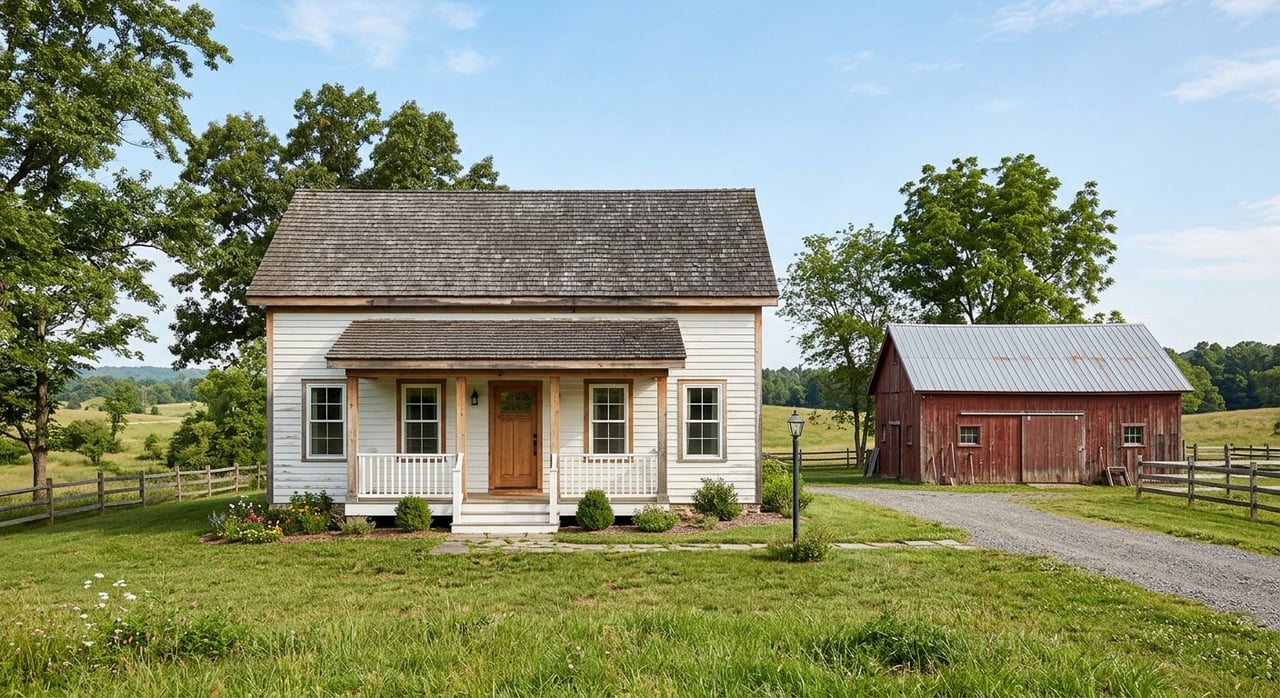
Farmhouse-style homes on acreage
One of the most common property types you may come across is the older detached home on a larger parcel. In unincorporated Laramie County, zoning districts such as AR and A1 are set up to allow rural residential living, detached homes, accessory structures, and other uses tied to a more open land pattern, as outlined in the Laramie County Land Use Regulations.
In practical terms, that often translates to farmhouse-style homes, older ranch homes, and homestead-style properties with room to spread out. These homes may have simple layouts, practical outbuildings, and land that supports storage, fenced areas, or light agricultural use, depending on the parcel and zoning.
What buyers often like about them
Buyers are often drawn to these properties for their elbow room and flexibility. If you want separation from neighbors, extra parking, detached workspace, or a more rural feel, this style can be a strong fit.
These homes can also appeal if you value function over a more standardized subdivision layout. Instead of paying mostly for interior finishes, you may be buying a combination of house, land, access, and utility setup.
Manufactured and mobile homes
Manufactured and mobile homes are also part of the housing mix in this area. In unincorporated Laramie County, these homes are allowed only if they meet permit and inspection requirements, including HUD standards, foundation requirements, and additional inspection rules for homes that are 20 years old or older, based on the county’s land use regulations.
Inside Cheyenne, manufactured homes are also allowed in certain situations, but the rules are tied to platted residential properties, permanent foundations, building code compliance, and current HUD-code standards. The City of Cheyenne zoning regulations outline those requirements.
Why the rules matter
If you are comparing a manufactured home in rural Laramie County with one closer to town, the approval path may look different. Foundation rules, inspections, and site requirements can affect cost, timing, and the type of improvements you may want to make later.
That is why it helps to look beyond the home itself. You also want to understand where the property sits, which jurisdiction applies, and what that means for permits and long-term use.
Newer single-family homes on the rural edge
If you picture all rural properties as older homes, the market tells a more mixed story. The Third Quarter Indicators Report for 2024 shows that single-family residential building permits in rural Laramie County increased from 23 in the third quarter of 2023 to 44 in the third quarter of 2024.
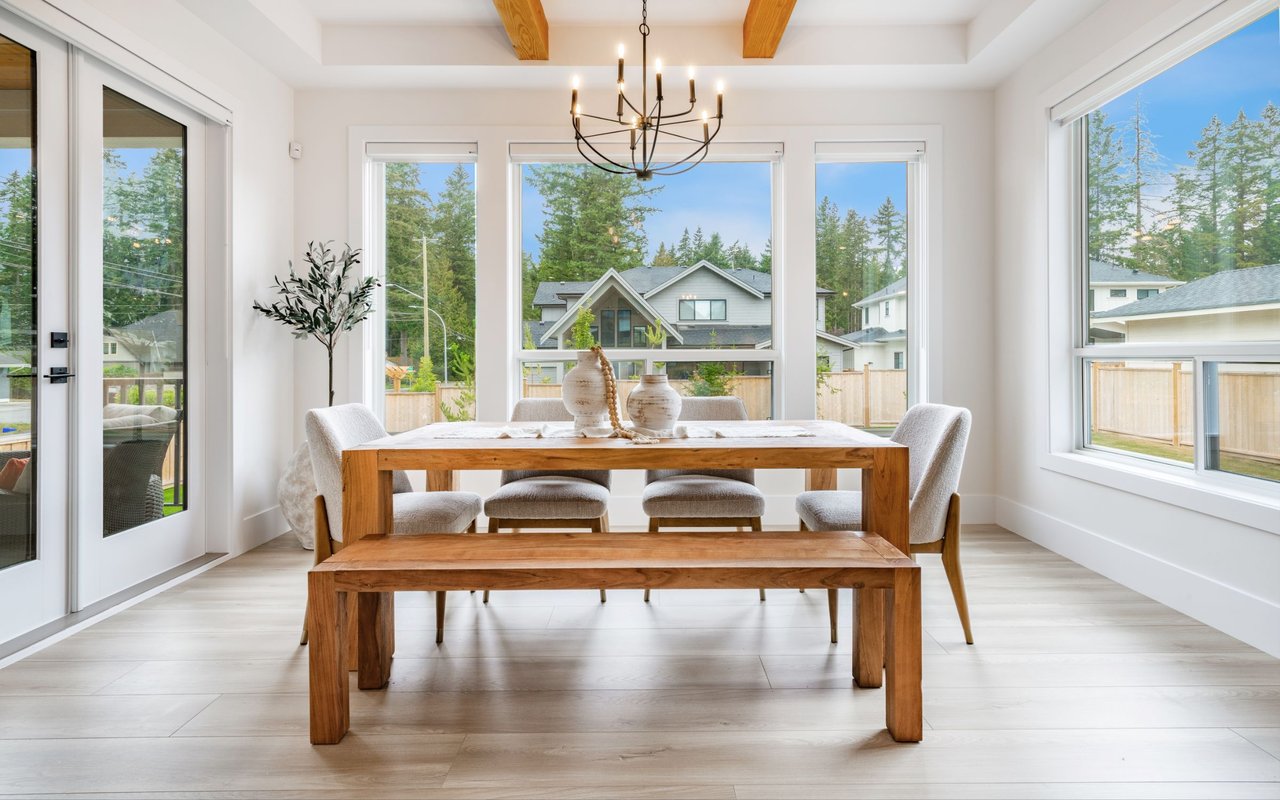
That increase points to continued new-home construction outside Cheyenne. So as you search around Carpenter and the rural edge, you may also find newer builds with modern layouts, updated systems, and acreage or larger lots that blend newer construction with a rural setting.
What newer rural builds can offer
These homes may appeal if you want more space without taking on as much renovation work. You may still have to evaluate site-specific details like utilities and access, but the house itself may feel more turn-key than an older homestead property.
For buyers relocating to the area, this can be a helpful middle ground. You can often get a more open setting than a city neighborhood while still targeting newer construction features.
Small-acreage properties with outbuildings
Another common pattern in the Carpenter area is the small-acreage property with extra structures. County rules allow accessory buildings in all zone districts in unincorporated Laramie County, and AR and A1 both explicitly allow accessory structures under the county land use regulations.
For you as a buyer, that often means you may see parcels with detached garages, sheds, pole barns, fenced sections, and other utility-focused improvements. On some properties, the land setup can be just as important as the home itself.
Focus on the full property, not just the house
When you tour rural homes, it helps to think of the property as a package. The house matters, of course, but so do the outbuildings, access points, fencing, and how the parcel supports your day-to-day needs.
If you need space for equipment, hobbies, storage, or a home-based setup that fits the zoning, these details can be a major advantage. The best fit often comes down to how you plan to use the land over time.
How Carpenter-area homes differ from in-town Cheyenne
Lot size and density
One of the biggest differences is lot size. In town, Cheyenne uses standard residential lot types and more compact development patterns, while rural county districts are generally less dense.
For example, the city notes setback standards and accessory building placement in its planning and development FAQ. By contrast, in the county, AR often has a 5-acre minimum for many residential uses tied to small wastewater systems, while A1 has a 10-acre minimum for any use with limited exceptions, according to the county regulations.
Utilities and site work
Rural properties also tend to require more site-specific review. Laramie County building handouts direct septic questions to City/County Environmental Health, well questions to the State Engineer’s Office, and note that access and culvert permits may apply for work affecting roads, as shown in the county’s building permit handouts and fee schedule.
That means a Carpenter-area property usually needs a more detailed checklist than a typical city lot. Before you compare it directly with an in-town Cheyenne home, make sure you verify the water source, septic status, driveway access, and whether planned improvements need extra permits.
Market snapshot for rural homes
Price points can also look different once you move outside town. In the third quarter of 2024, rural Laramie County homes averaged $626,670 and 35 days on market, compared with $387,843 and 22 days in Cheyenne, according to the Wyoming Economic Analysis Division report.
That does not mean every rural property costs more than every city home. It does mean acreage and rural-edge listings often operate in a different pricing environment, especially when land, outbuildings, or newer construction are part of the package.
Questions to ask early
If you are shopping around Carpenter or comparing rural properties with homes in Cheyenne, start with a few key questions:
- Is the property inside Cheyenne city limits or in unincorporated Laramie County?
- What zoning district applies, such as AR or A1?
- Is the home on city water and sewer, or does it use a well and septic system?
- Are accessory buildings, fenced areas, or other land uses allowed on the parcel?
- If it is a manufactured home, what permit, foundation, and inspection rules apply?
The city recommends using its map tools or the Laramie County assessor map to confirm location and jurisdiction, which is noted in the Cheyenne planning FAQ. Getting these answers early can save you time and help you compare properties more confidently.
Finding the right fit for your lifestyle
The best home style around Carpenter and rural Cheyenne depends on what matters most to you. You may want a classic acreage property with outbuildings, a manufactured home with the right setup, or a newer single-family home on the rural edge.
What matters is understanding how the property functions in real life, not just how it looks online. When you know the zoning, utilities, access, and land-use basics, you can make a smarter decision and move forward with more confidence.
If you want help comparing acreage properties, rural homes, or in-town options around Cheyenne, Asha Vonburg can help you sort through the details and find the property that fits your goals.
FAQs
What home styles are common around Carpenter, Wyoming?
- Around Carpenter, you will commonly find older detached homes on acreage, farmhouse-style and ranch-style properties, manufactured homes that meet county requirements, newer rural single-family builds, and small-acreage properties with accessory buildings.
How are Carpenter-area homes different from homes in Cheyenne?
- Carpenter-area homes are often on larger parcels and may involve wells, septic systems, outbuildings, and county zoning rules, while homes in Cheyenne are usually on smaller platted lots with more typical city utility connections and zoning standards.
What should you verify before buying a rural property near Carpenter?
- You should confirm whether the property is in city limits or unincorporated county, check the zoning district, verify water and septic details, review access and driveway requirements, and understand any permit or inspection rules that apply.
Are manufactured homes allowed in rural Laramie County?
- Yes, manufactured or mobile homes may be allowed in unincorporated Laramie County if they meet county permit, foundation, HUD-standard, and inspection requirements, including added inspection rules for some older homes.
Are newer homes being built in rural Laramie County?
- Yes, rural Laramie County saw an increase in single-family building permits from 23 in the third quarter of 2023 to 44 in the third quarter of 2024, which points to continued new-home construction outside Cheyenne.