Craving wide-open skies with an easy reach to Cheyenne? If you are eyeing Pine Bluffs and the eastern Laramie County plains, you are likely weighing small-town convenience against the privacy and elbow room of acreage living. This guide gives you a clear picture of local home types, lot sizes, utilities, commute patterns, financing, inspections, and the key questions to ask before you write an offer. By the end, you will know how to shop smart and plan for the long term in this unique corner of Wyoming. Let’s dive in.
Pine Bluffs at a glance
Pine Bluffs sits on Wyoming’s eastern border in Laramie County, with a 2020 population in the low 1,000s and a compact town footprint. For quick context, review the town’s profile on Wikipedia’s Pine Bluffs page.
The town provides local services through Town Hall and Public Works, including electric, water, sewer, and garbage. Pine Bluffs is part of the broader Cheyenne area for employment, major shopping, and medical care, so many residents travel west for work and services.
In-town vs rural living
Choosing between in-town Pine Bluffs and the surrounding plains comes down to tradeoffs in utilities, lot size, and daily routines.
In-town Pine Bluffs homes
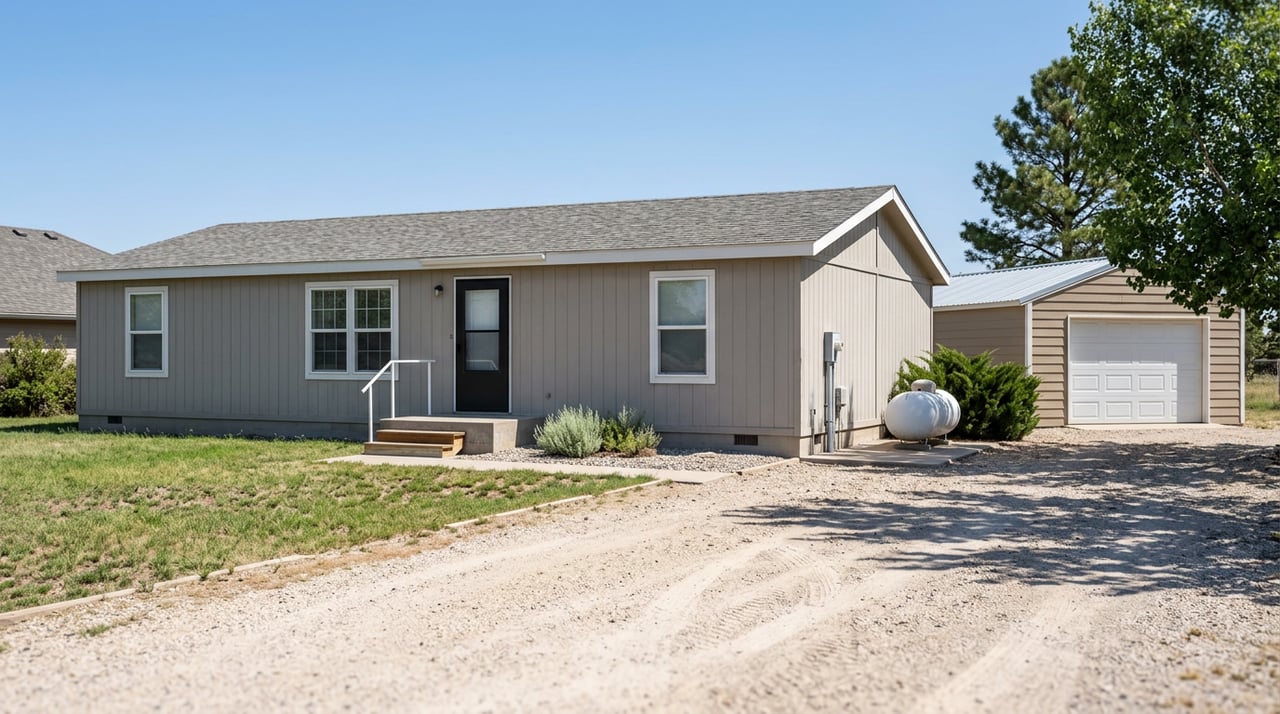
Most in-town options are single-family houses on small to medium lots, along with a modest number of manufactured or mobile homes. The town operates municipal electric, water, sewer, and garbage, and posts water system information and reports online. If you focus on in-town properties, confirm hookups and ask for recent bills and the latest water quality report from Pine Bluffs Public Works.
Eastern plains acreage
Head just outside town and you will find small hobby parcels under 5 acres, 10 to 40 acre tracts, and larger agricultural parcels. Expect private utilities, such as a domestic well, a septic system, and propane, along with rural electric service. For raw ground, check up front whether a well can be permitted and what it may cost to drill and power. Parts of eastern Laramie County lie in the Laramie County Groundwater Control Area, which sets well spacing and use rules. Review details on the State Engineer’s Laramie County Control Area page and verify parcel-specific requirements.
Prices and inventory
Inventory in Pine Bluffs is limited, and prices vary widely by property type. In-town homes and smaller lots typically price differently than large-acreage tracts. Public market trackers show recent medians ranging from the high 200s to the low to mid 300s for the area, but small sample sizes mean a single large sale can move the numbers. Plan to monitor new listings closely, tour quickly, and compare nearby in-town homes against rural parcels rather than relying on a single median figure.
Utilities and site checks
Understanding how utilities work here is essential to a smooth purchase and to your long-term costs.
Town water and electric
Pine Bluffs supplies municipal water from groundwater wells and storage tanks, and it operates the town electric system. For any in-town property, confirm connection status, request recent utility bills, and ask for the latest drinking water report from Public Works. If you are considering a vacant lot, ask about tap availability, hookup fees, and any outstanding utility liens. For electric service specifics and rates, review the town’s electric page.
Wells and the Control Area
Much of eastern Laramie County sits within the Laramie County Groundwater Control Area. Orders from the State Engineer limit new groundwater development in certain zones and set spacing and approval rules for wells. Before you go under contract on a rural parcel, request any existing well permit, a driller’s log or pump test if available, and confirm whether new well permits are allowed for that location. Learn more on the State Engineer’s Laramie County Control Area page. If no permitted well exists, factor in the time, cost, and uncertainty of obtaining a new permit and drilling.
Septic system rules
On-site wastewater systems are regulated under Wyoming DEQ’s small wastewater rules, which guide design, tank size, and permitting. Require proof of a permitted system and a recent septic inspection or pump-out record. If a new system is needed, soils, slope, and design must meet standards outlined in the Wyoming small wastewater regulations.
Broadband and cell
Rural internet access is address specific. Many acreage buyers rely on satellite or Starlink, while fixed wireless, DSL, or limited cable or fiber may appear closer to town. Do not assume coverage based on a map. Check exact address availability using the FCC fixed broadband map and confirm directly with providers.
Energy and winter prep
Eastern Wyoming sees strong winds and winter storms. Budget for good insulation, a reliable heating and cooling system, and a backup heat source or fuel plan. Ask whether power lines are overhead or buried and who maintains the driveway or access road in winter. Private roads can mean shared maintenance and plowing responsibilities, so clarify them in writing.
Commute and services
Many residents travel to Cheyenne for work, retail, and medical care. The drive is roughly 35 to 45 minutes to central Cheyenne in typical conditions, with common estimates near 42 miles and about 36 minutes; always test your route and time of day. See a reference route on this Pine Bluffs to Cheyenne drive-time page.
For hospital care, the nearest full-service option is Cheyenne Regional Medical Center. Pine Bluffs has local emergency services, but major inpatient and trauma care are in Cheyenne. For schools, the community is served by local public schools; review district resources and state report cards for boundary and performance details for any specific address.
Financing options
You can often use conventional, FHA, or VA financing for homes and some rural properties. USDA Rural Development loans may also be an option where the exact address qualifies. Because programs and eligibility can change, confirm details with a local lender and verify address-specific eligibility early in your search.
Buyer due diligence checklist
Use this list to protect your budget and timeline before you commit.
- Confirm water source. Is the home on town water, or is there a private well? Request recent utility bills or, for wells, the well permit and any pump test or driller’s log. Start with Public Works water resources for town-connected properties.
- Verify well rules and permits. If the parcel is rural, check whether it sits inside the Laramie County Groundwater Control Area and what spacing or use limits apply. See the State Engineer’s Laramie County Control Area guidance.
- Inspect the septic system. Require a septic inspection and pump-out record, plus proof of permits. If a new system is needed, confirm feasibility under Wyoming’s small wastewater rules.
- Clarify electric service. Who provides power, and are there extension costs to bring electric to a vacant parcel? For in-town lots, review town electric information and any hookup fees.
- Check broadband and cell. Do an address-level check of internet options using the FCC fixed broadband map, then confirm with providers.
- Review access and road maintenance. Is the access road public or private, and who pays for snow removal and repairs?
- Confirm taxes and special districts. Ask for the current levy and any special assessments. Use the county overview at Tax by County for Laramie County to understand how mill levies work, then confirm the parcel’s exact tax bill with the assessor.
- Ask about covenants and restrictions. Request any HOA covenants, subdivision rules, recorded plats, or county conditions, especially for livestock or future building.
- Check flood and hazard exposure. Review FEMA flood maps and discuss wind and hail coverage with your insurer.
- Verify title and easements. Look for recorded utility, pipeline, or road easements that affect use.
Plan for the long term
Water and septic represent the biggest long-term liabilities for rural buyers. A new well is not guaranteed under control-area rules, and drilling or pump replacement can be costly. Septic repair or replacement also requires proper design and permits and can impact timelines. Treat broadband and winter access as must-verify items, not nice-to-haves, so you avoid surprises after closing.
How I help
Buying in Pine Bluffs or on the eastern plains rewards a clear plan and local guidance. I bring a hands-on, consultative approach backed by CENTURY 21 systems and proven buyer representation, acreage expertise, and relocation support. From verifying well and septic permits to pressure-testing commute options and utility costs, I help you move with confidence and negotiate the right protections into your contract.
Ready to explore homes and acreage that fit your goals? Reach out to Asha Vonburg for a friendly strategy call and next steps.
FAQs
How long is the commute from Pine Bluffs to Cheyenne?
- Plan on roughly 35 to 45 minutes to central Cheyenne in typical conditions, with common estimates near 42 miles and about 36 minutes; test your exact route and time of day using a map and this reference drive-time.
How do I verify a well permit in eastern Laramie County?
- Check the parcel’s status with the Wyoming State Engineer and confirm whether it lies in the Laramie County Groundwater Control Area by reviewing the Laramie County Control Area page.
Are Pine Bluffs homes on municipal utilities?
- Many in-town homes connect to town electric, water, sewer, and garbage; confirm hookups, request recent bills, and ask for the latest water quality report via Pine Bluffs Public Works.
What inspections are essential for a rural property near Pine Bluffs?
- Prioritize proof of a permitted well, a recent pump test or driller’s log, a full water quality test, and a septic inspection with permits per Wyoming’s small wastewater rules.
Is broadband available on acreage outside town?
- Availability is address specific; check the FCC fixed broadband map and confirm with providers, and consider satellite or fixed wireless where fiber or cable are not present.
Where is the nearest hospital for Pine Bluffs residents?
- The closest full-service hospital and emergency department is Cheyenne Regional Medical Center; Pine Bluffs has local emergency services but major inpatient care is in Cheyenne.