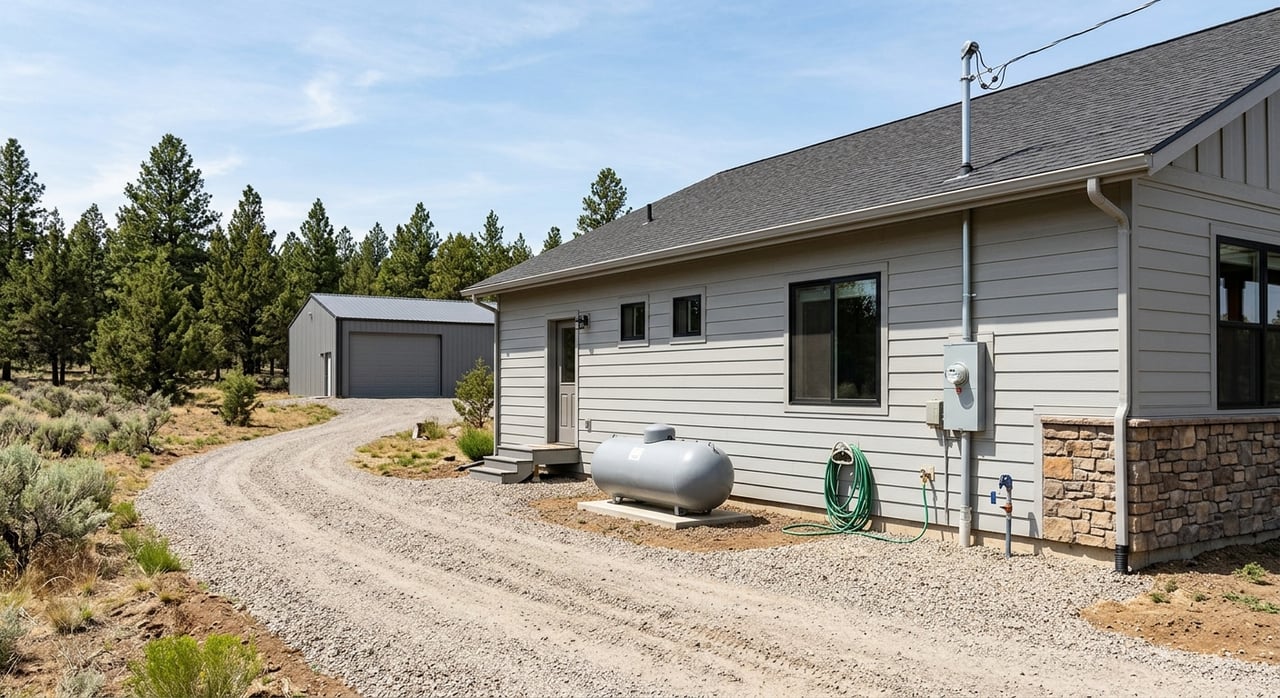
Dreaming about a little more space outside Cheyenne? Acreage can open the door to privacy, room to build, and a different pace of life, but rural property also comes with questions that do not always come up on an in-town purchase. If you want to avoid expensive surprises, you need to look beyond the acre count and evaluate how the land can actually be used. Here is how to assess rural properties near Cheyenne with more confidence before you make an offer.
Start With Zoning First
When you evaluate acreage in Laramie County, the first step is not the views, fencing, or even the total size. It is zoning. According to Laramie County's guidance for rural zoning districts, you should begin by locating the parcel in the county Parcel Viewer and then reviewing the district rules.
That matters because rural zoning districts can differ in minimum lot size, allowed uses, and whether certain uses are permitted outright or only conditionally. A property that looks perfect for your plans may still require approvals before you can use it the way you want.
Match Zoning to Your Plans
Before you move forward, get very specific about your intended use. If you plan to build, keep livestock, add a second dwelling, run a home-based business, or use temporary living quarters during construction, you need to know whether the county allows it.
Laramie County's current land use regulations address issues many acreage buyers care about, including mobile dwellings and recreational vehicles as living quarters, livestock, temporary uses, and small wind or solar systems. You can review those details in the county's land use regulations.
Think About Future Flexibility
Your plans today matter, but so does future resale. The county Planning Commission reviews subdivision and zone-change applications, and local rules also include processes for variances and nonconforming lots.
That means two similar-looking parcels may have very different long-term potential. If flexibility is important to you, it is worth understanding not just what is allowed now, but how future changes could affect value and use.
Confirm Legal and Practical Access
Access is one of the biggest differences between buying a home in town and buying acreage near Cheyenne. A parcel may appear easy to reach on a map, but you still need to verify whether access is public, private, or through a recorded easement.
Laramie County Public Works notes that permits may be required for driveway approaches, utility crossings, new road construction, and other right-of-way work. The county also states that final acceptance of street or road work may be required before building permits are issued in developments with new roads. You can review those requirements on the county's Public Works permits page.
Ask Who Maintains the Road
A rural road can look fine in dry weather and tell a different story in winter or during construction. You should confirm who maintains the road, whether snow removal is private, and whether the access works for emergency vehicles, delivery trucks, and heavy equipment.
The county also distinguishes between private roads, driveways, and approved access easements in its land use regulations. In some smaller rural residential subdivisions, access by easement may be allowed instead of a roadway, but that decision is case specific.
Review Easements Carefully
If access depends on an easement, make sure it is recorded and clear in the public record. You will also want to know whether there are shared maintenance agreements and whether the legal access matches how the property is actually being used today.
This is not just about convenience. Clean, documented access can also make a difference for financing and resale.
Check Water, Septic, and Soils Early
On many rural properties near Cheyenne, water is one of the most important due diligence items. In Wyoming, groundwater rights are state property rights administered by priority date, and a permit is required before drilling a well. The Wyoming State Engineer's Office explains that water-right records can be searched in e-Permit using the legal description.
A key point for buyers is that an existing well does not automatically answer every question. The State Engineer also notes that a well on the property does not necessarily mean only the landowner may use the water, and off-site access to a well requires permission from the landowner where the well is located.
Verify Septic Approval
Laramie County states that rural vacant lots may or may not meet standards for a septic system or domestic well. Septic review is handled locally, while individual domestic wells are reviewed by the state.
The county's land use regulations outline that split, and the local small-wastewater program is administered through Cheyenne-Laramie County Public Health. If a system already exists, ask whether it was permitted and inspected for the current use.
Use Soil Data as a Starting Point
Not every parcel with open ground is equally buildable. The USDA Natural Resources Conservation Service says its Web Soil Survey is the authoritative online source for soil survey information, and it can help identify land characteristics that affect use.
That said, soil survey data is a starting point, not the final word. On-site investigation may still be needed, especially if you are planning a septic system, house site, driveway, or other improvements.
Review Floodplain and Site Constraints
Before you assume a homesite is ready to build on, check whether any portion of the property is in or near a flood hazard area. Laramie County notes that some properties near certain watersheds may fall within a FEMA Special Flood Hazard Area.
The county also states that its floodplain map is based on the FEMA 100-year designation and that a development permit is required before construction or development begins in an SFHA. This is one of those issues that is much easier to evaluate before closing than after.
Focus on the Actual Building Area
A large parcel may have only one practical build site. Floodplain status, soil conditions, slope, and access can all limit where you can place a home, septic system, driveway, or outbuildings.
That is why it helps to think of acreage as a site-specific project. Instead of asking only, "How many acres is it?" ask, "How much of this land works for my plan?"
Plan for Utilities and Improvements
Utilities are another area where acreage buyers need clarity early. Some properties rely entirely on private systems, while others may have potential access to city services over time.
If a property connects to city utilities, Cheyenne Board of Public Utilities explains that water and sewer rates include a monthly service fee plus usage, and that system development fees help recover the cost of expansion and oversized mains. Those costs can affect your long-term budget.
Understand Annexation Questions
For some county-pocket properties near Cheyenne, annexation may become part of the conversation. The City of Cheyenne explains that county pocket annexation can bring city police and fire response and possible eligibility for city water and sewer connections if connected.
The city also notes that tap fees and system development fees are not waived, and that public improvements are not automatically required just because a property connects to city water or sewer. If utility access is part of your long-term plan, those details matter.
Know What Future Improvements Require
If you plan to add an accessory building, move in a manufactured home, or install small wind or solar systems later, verify permit requirements before closing. Laramie County says most work requires permits, accessory buildings over 200 square feet need a building permit, and small wind and solar systems require a building permit with zoning approval under the current regulations.
That does not mean the property is a bad fit. It simply means your timeline, budget, and improvement plans should be based on verified information.
Think About Resale From Day One
Even if this is your long-term property, resale still matters. The rural parcels that tend to create fewer surprises are usually the ones with clear documentation for zoning, access, utility approvals, and any easements or restrictions.
Laramie County's regulations make clear that some nonconforming rural lots may need variances or may not qualify for individual well and septic approval. That can affect construction plans, financing, and future buyer demand.
Build a Due Diligence Checklist
As you compare properties near Cheyenne, keep a simple checklist:
- Confirm zoning and whether it supports your intended use
- Verify public, private, or easement access
- Ask about road maintenance and snow removal
- Check well permits or water-right records
- Review septic status and environmental health requirements
- Look at soil conditions and likely build sites
- Check floodplain status
- Ask about utility connection options and fees
- Review permits needed for future improvements
- Confirm recorded easements and restrictions with title
Acreage buying is rarely about just finding land you like. It is about finding land that supports your goals with as few surprises as possible.
A Smart Way To Evaluate Acreage Near Cheyenne
The strongest way to evaluate rural property near Cheyenne is to follow a clear order: zoning first, then access, then water and septic, then soils and floodplain, and finally utility and resale considerations. That sequence lines up with how local and state agencies divide responsibilities in Laramie County.
If you are considering acreage, having local guidance can save you time and help you ask better questions before you commit. If you want help sorting through rural property options near Cheyenne, connect with Asha Vonburg for a practical, local-first approach.
FAQs
What should you check first when buying acreage near Cheyenne?
- Start with zoning in the Laramie County Parcel Viewer and confirm the parcel's zoning matches your intended use.
How do you verify legal access to a rural property in Laramie County?
- Ask whether access is public, private, or through a recorded easement, and review any maintenance agreements, road conditions, and permit requirements.
Why do wells and water rights matter on rural property near Cheyenne?
- A well permit and water-right record help confirm how water may be used, and an existing well does not automatically mean every intended use is allowed.
How do you know if a rural parcel can support septic?
- You need to verify whether the property can meet local septic standards through the appropriate environmental health review and supporting site information.
Should you check floodplain status before buying land near Cheyenne?
- Yes. Some parcels may be in or near a FEMA Special Flood Hazard Area, and development permits may be required before building in those areas.
What affects rural property resale in the Cheyenne area?
- Clear zoning, documented access, approved utility and septic options, and fewer unresolved site issues can all make a parcel more attractive to future buyers.