Thinking about trading city noise for open space without giving up your job, appointments, and daily routine in Cheyenne? If that sounds like you, Carpenter may be worth a closer look. This small Laramie County community offers a quieter home base, more room to spread out, and a manageable drive into town, but it also asks you to be realistic about weather, road conditions, and rural property ownership. Let’s dive in.
Why Carpenter Appeals to Commuters
Carpenter is a very small census-designated place in Laramie County, with just 94 residents counted in the 2010 census and only 0.24 square miles of land. That gives it a very different feel from a typical edge-of-town subdivision. If you are looking for elbow room and a slower pace, that small scale is part of the draw.
For many buyers, the biggest question is whether the location still works for everyday life in Cheyenne. In practical terms, Carpenter sits on Wyoming Highway 214, with access that connects back toward I-80. On a good-weather day, the drive to Cheyenne is about 34 to 35 miles and usually takes around 35 to 37 minutes, depending on where you start and where you are headed.
That makes Carpenter a realistic option if you want a quiet place to live but still need to commute into Cheyenne on a regular basis. At the same time, it is better suited to people who are comfortable with a car-based routine than those who want in-town convenience close by.
What the Daily Drive Looks Like
The commute from Carpenter to Cheyenne is fairly straightforward when conditions are clear. You are generally using a rural highway corridor with I-80 access rather than weaving through dense traffic or complicated streets. For some buyers, that simplicity feels easier than a longer stop-and-go drive in a larger metro area.
Still, a rural commute comes with its own rhythm. Travel times can be less predictable when strong wind, snow, or reduced visibility affects open-road driving. If you are comparing Carpenter to living directly in Cheyenne, this is one of the biggest practical differences.
A good question to ask yourself is how often you need to be in town and how flexible your schedule is. If you work standard hours five days a week, the drive may still be very workable, but you will want to factor in extra time during winter and on high-wind days.
Weather Matters More Than Miles
In this part of Wyoming, distance is only part of the story. Weather can have a real impact on your drive, especially when your route includes open stretches of road.
The 2025 climate report from the Cheyenne airport shows the kind of conditions local commuters should keep in mind: 35.1 inches of snowfall, average wind speed of 11.3 mph, a peak gust of 75 mph, and 150 days with minimum temperatures at or below freezing. Those numbers help explain why a normal commute can feel very different depending on the season.
Most days, the trip may be routine. But winter storms and strong winds can make travel slower and less predictable. If you are considering Carpenter, it helps to be honest about your comfort level with checking road conditions before heading out.
WYDOT’s route information for WY 214 specifically covers the segment between I-80 and Carpenter. For anyone commuting regularly, keeping an eye on road conditions is simply part of the routine during winter and windy periods.
Why Buyers Consider Carpenter Anyway
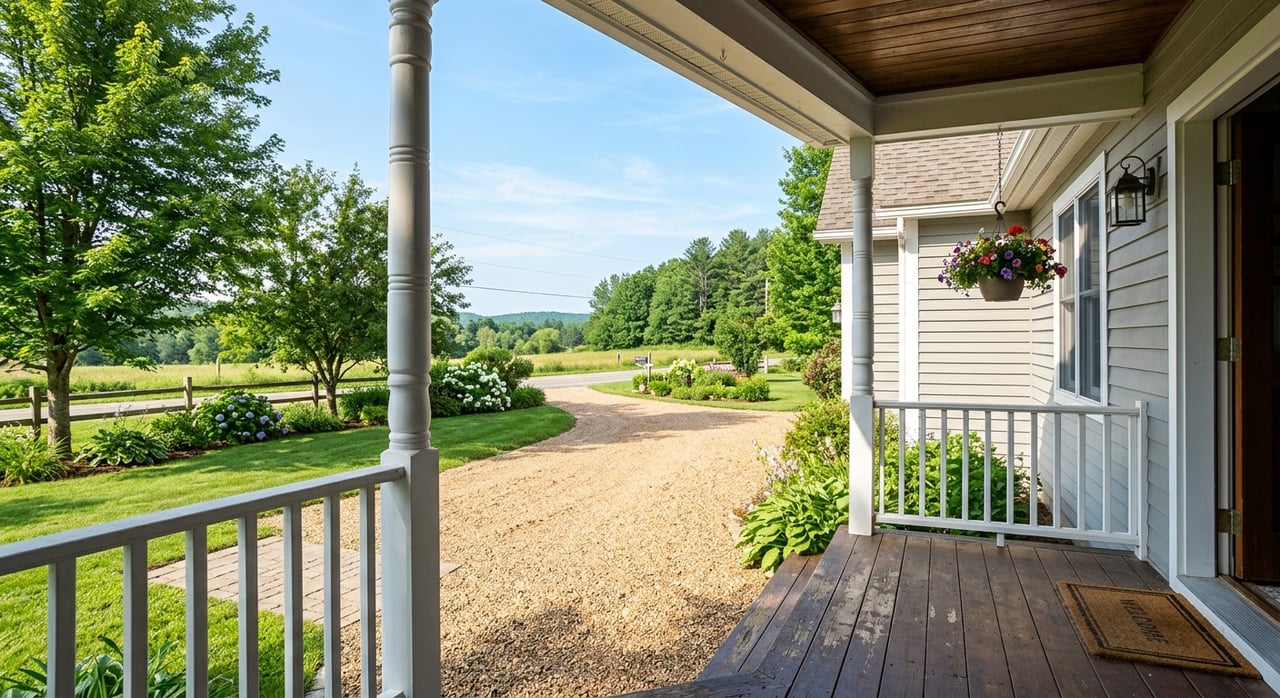
For the right buyer, Carpenter offers something Cheyenne itself may not: more land and a more rural lifestyle. Current property listings in the area tend to lean toward ranch-style homes and acreage parcels rather than compact neighborhood lots.
Recent examples include homes on 10.5-acre, 12-acre, 30-acre, and 40.04-acre parcels, plus a 160-acre land parcel. Some listings also reference features like fenced pastures, outbuildings, and livestock-friendly covenants. That pattern points to a market shaped more by space and utility than by density.
If you want room for equipment, hobbies, animals, or simply a wider buffer between you and your neighbors, Carpenter can check boxes that are harder to meet in town. Buyers who prioritize privacy often see that trade as worth the extra drive.
The Tradeoff: More Freedom, More Responsibility
Acreage can be appealing, but it usually comes with more to manage. In Carpenter, that matters because you are buying in unincorporated Laramie County, where county-level rules apply to many property improvements.
Laramie County handles processes related to detached accessory structures, manufactured-home installation or relocation, and related permits. So if you are planning to add a shop, move a manufactured home, or make other major property changes, you will want to understand those county requirements early.
This does not mean Carpenter is complicated. It means rural ownership asks you to pay attention to details that may be simpler or more standardized in a city setting. The more land and flexibility you want, the more important due diligence becomes.
Everyday Life Still Centers on Cheyenne
One of the clearest patterns in this area is that Carpenter works best when you are comfortable relying on Cheyenne for many day-to-day services. Cheyenne is Wyoming’s capital and largest city, and it serves as the region’s main hub for shopping, dining, healthcare, travel, and county business.
That can actually be convenient if you already commute into town for work. Many administrative errands can be paired with a regular workday since county offices like the clerk, assessor, and treasurer are based in Cheyenne.
Cheyenne also concentrates key regional services such as Cheyenne Regional Medical Center and Cheyenne Regional Airport. The airport notes free parking and a terminal close to downtown and I-25, which reinforces Cheyenne’s role as the service center for households living in nearby rural areas.
What About Schools and Family Routine?
If you have school-age children, Carpenter does have a local elementary option. Laramie County School District #2 lists Carpenter Elementary among its schools, which supports the area’s small-community feel.
That said, many larger daily needs still point toward Cheyenne. For families, the real question is often whether you prefer a quieter home setting enough to make the driving routine worthwhile for work, shopping, activities, and appointments.
There is no one-size-fits-all answer here. The best fit depends on how you want your home life and commute to work together.
Is Carpenter Right for You?
Carpenter tends to fit buyers who want acreage, privacy, and a quieter pace while staying connected to Cheyenne for work and services. It can be a strong match if you are comfortable driving, planning around weather, and taking a more hands-on approach to rural property ownership.
It may be less appealing if your top priority is quick access to stores, short errand runs, or a more walkable daily routine. In that case, living in Cheyenne itself may line up better with how you want to spend your time.
For many buyers, the decision comes down to lifestyle. If more space and a quieter setting matter enough to offset a weather-sensitive commute, Carpenter can be a very practical option near Cheyenne.
If you are weighing Carpenter against Cheyenne or other nearby rural areas, working with someone who knows the local market can help you compare commute reality, property type, and long-term fit with more confidence. If you want a local perspective on acreage homes, rural living, and Cheyenne-area options, connect with Asha Vonburg.
FAQs
How long is the commute from Carpenter to Cheyenne?
- A typical drive from Carpenter to Cheyenne is about 34 to 35 miles and usually takes around 35 to 37 minutes in free-flow traffic.
Is Carpenter, Wyoming a good place to live if you work in Cheyenne?
- Carpenter can be a good fit if you want a quieter home base, are comfortable with a car-centered routine, and do not mind planning around weather and road conditions.
What kinds of homes are common in Carpenter?
- Current listings in Carpenter tend to include ranch-style homes, acreage properties, and land parcels rather than dense subdivision housing.
What should buyers know about owning property in Carpenter?
- Because Carpenter is in unincorporated Laramie County, buyers should pay attention to county rules for things like outbuildings, manufactured-home installation or relocation, and related permits.
Where do Carpenter residents go for shopping and services?
- Many everyday services and errands still point toward Cheyenne, including healthcare, airport access, county offices, dining, and broader city amenities.
Does Carpenter have a local elementary school?
- Yes. Laramie County School District #2 lists Carpenter Elementary among its schools.